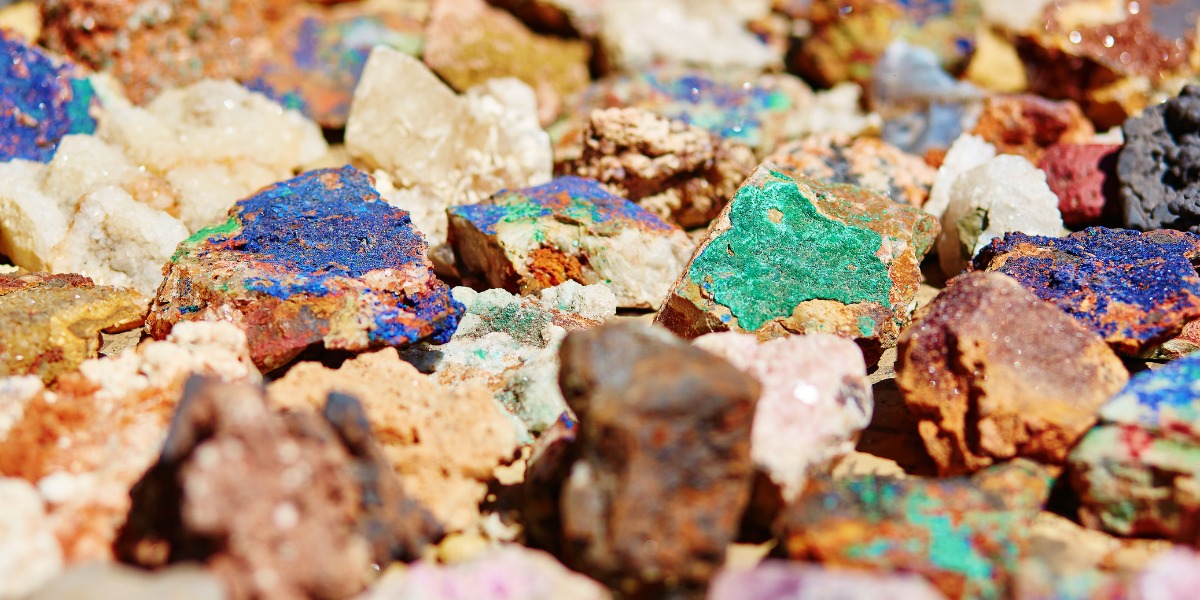
Pakistan is blessed with numerous natural resources. Cotton, wheat, and gas are well known to most people. However, there is another form of wealth in Pakistan, namely industrial minerals. They are not precious materials such as gold or diamonds. They are the common minerals that make modern life possible. When the processing of these minerals is done properly, they have the potential to expand the economy and provide employment. Moreover, they help in assisting most industries.
What Are Industrial Minerals?
Industrial minerals are minerals used in industries and construction. They do not produce metal. They do not burn for energy. Yet they are essential. Examples include:
- Limestone: Steel and cement.
- Gypsum: Applied to plaster and wallboard.
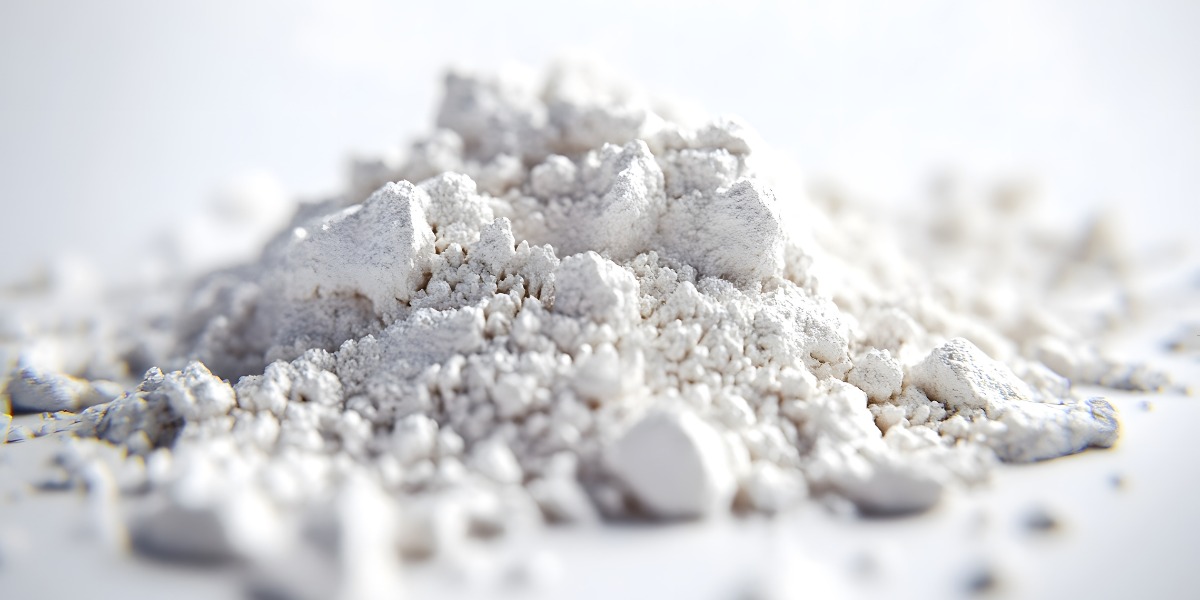
- Talc: Employed in paints, paper, and ceramics.
- Calcite and marble: In construction and fillers
- Barite: Used in drilling fluid, oil, and gas.
- Feldspar and quartz: Applied to glass and ceramics.
- Chromite and magnesite: Steel and refractories.
- Coal: Energy and in chemical reactions.
Industrial minerals, unlike metals, are utilized in a wide variety of everyday goods. They form the invisible backbone of the building industry, the manufacturing industry, and the chemical industry.
Where Are These Minerals Found in Pakistan?
Pakistan is rich in many industrial minerals. The provinces are blessed with mineral wealth.
- Coal, limestone, gypsum, and rock salt are present in huge deposits in Punjab.
- Limestone, silica sand, and barite are found in Sindh.
- Chromite and magnesite are found in Baluchistan along with barite, among other industrial resources.
- Khyber Pakhtunkhwa possesses talc, marble, and quartz.
They are not mere pockets of these minerals. Many of them occur in great quantities and are of good quality. An example would be the rock salt that is available in the Salt Range of Punjab.
It is among the best in the world. Punjab and Sindh have deposits of coal that aid in supplying power to factories and power plants. The limestone is available in numerous places, such that cement factories are set up at a very high rate.
What Is Mineral Processing?
Mineral processing refers to the conversion of the raw minerals into useful products. Raw minerals are extracted from the earth. They are usually contaminated with soil, rocks, and undesired contents. To become useful, they have to be cleaned, crushed, sorted, and refined. Processing is simply done in these steps:
- Crushing: Large pieces of rock are crushed into smaller sizes.
- Grinding: coarse particles are ground into fine particles.
- Separation: Wastes and valuable minerals are segregated.
- Refinement: The material is refined and moulded.
- Packing: Packing of the final product is done to be use in the industry.
Minerals are simply heavy rocks without processing. They are worth very little. Once processed, they are materials that can be used directly by the industries.
Why Is Mineral Processing Important?
Minerals are processed in order to be made more valuable. Refined minerals can be used to produce products that result in much higher sale values than the raw ore. The following are the main reasons why processing is important:
Higher Value Means More Income
Raw minerals are of low price. Minerals that have been processed are expensive. When Pakistan processes the minerals, it makes a lot of money.
Jobs Are Created
Mine needs workers. So do processing plants. This benefits trained personnel, technicians, engineers, and truck drivers. This translates to increased employment for the locals.
Local Industries Grow
Factories utilize processed minerals. This assists in the growth of steel plants, cement plants, ceramic manufacturers, and paint and plastics manufacturers.
Exports Bring Foreign Money
Pakistan generates foreign exchange when it exports processed minerals. This is beneficial to the economy and enhances trade.
Reduces Import Dependence
When the mining is done in Pakistan, the country does not have to bring in processed products. This helps save money and favours local industry.
Examples of Mineral Processing in Pakistan
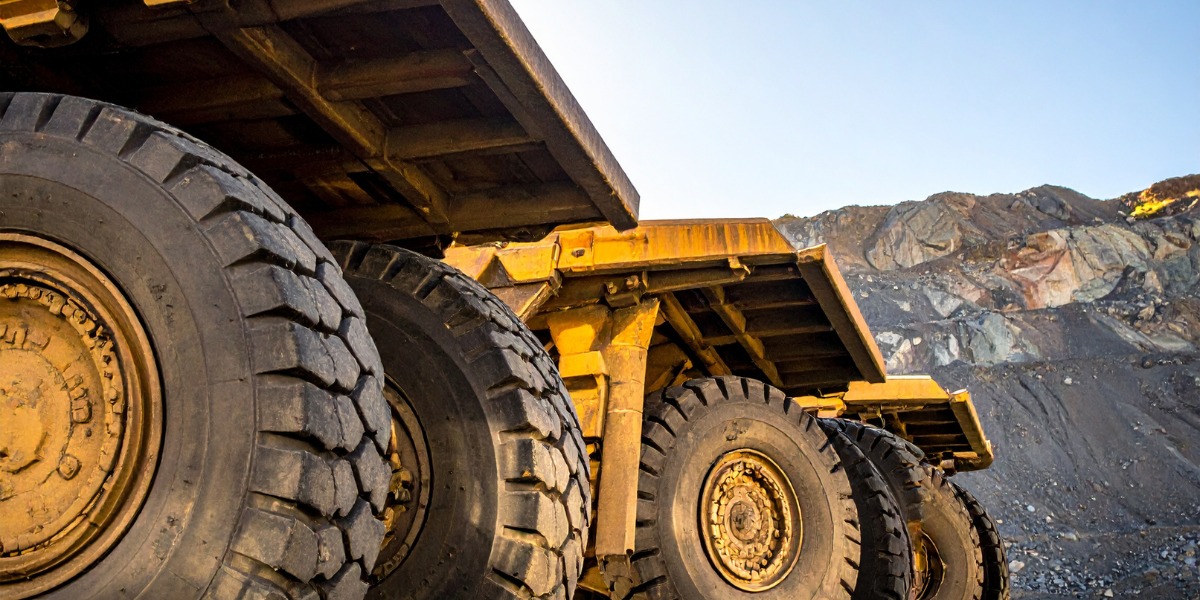
There are different regions in this country where processing is already taking place.
- The limestone is mined and processed for cement factories.
- Talc and calcite are processed into a fine and purified form to be used in paints and plastics.
- Barite is refined to be used in oil drilling fluids.
- The glass and ceramic industry prepares quartz and feldspar.
This work is currently being done by many small and medium-sized companies. They may not necessarily be big or famous, yet they feature in the industrial supply chains.
The Current Situation: What Works and What Doesn’t
The Pakistani state has real advancements in mineral processing. However, the industry has some problems as well.
What Works Well
- There is a large amount of mineral reserves in Pakistan.
- Domestic business people are establishing processing facilities.
- Local industries are on the increase in demand.
- In other research centres, some of them are assisting with techniques and testing.
What Is Holding the Sector Back
Here are some challenges to look at:
Poor Infrastructure
Most mineral regions lack good roads, electricity, and transportation. The processing facilities require power. In the absence of good infrastructure, there is an increase in costs.
Lack of Modern Technology
There are still plants that work with out-of-date machines. New technology is needed in modern processing. Quality and efficiency are compromised without investing in machines.
Clear Policies Are Needed
Companies require definite regulations and assistance. When there is a slowness or confusion of the rules, investors will be reluctant to grow.
Lack of Skilled Workers
Mineral processing requires skilled labour. There is a lack of training facilities for technicians and engineers in Pakistan.
Environmental Concerns
The processing process may produce dust and waste. Otherwise, this impacts the environment. Waste and pollution control systems should be provided.
The Role of Policy and Government Support
The role of the government is big. Policies that are good also have the potential to make the sector grow faster. The following are some of the places where the government’s help is required:
- Consistent Mining Laws: Mining and processing.
- Less Red Taping: Faster approval of new projects.
- Training Programs: Skills training.
- Better Infrastructure: roads, power, and water.
- Environmental Standards: Rulings to safeguard nature and, at the same time, to develop the industry.
With a collaboration between the government and the industry, growth can be attained.
New Areas of Opportunity
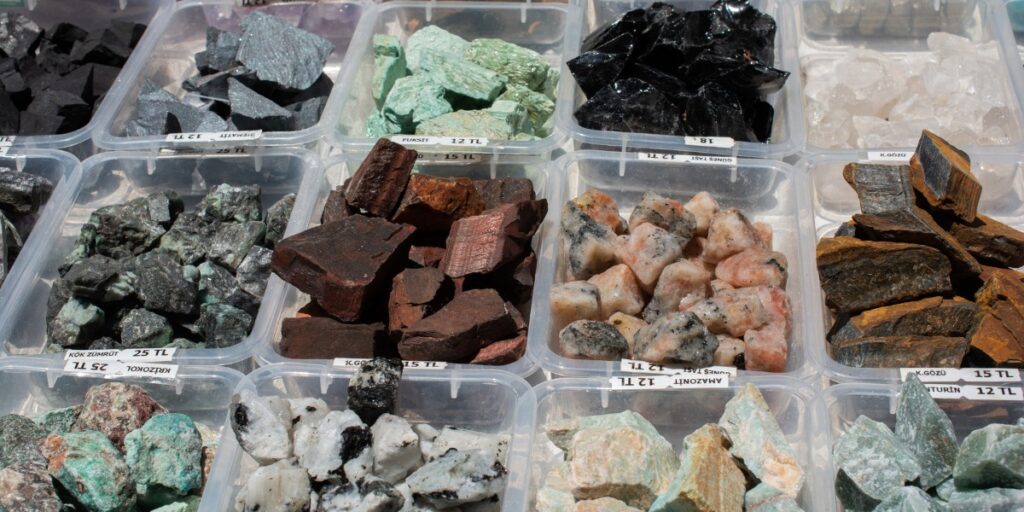
Mining and processing jobs allow families to make consistent incomes. It is possible to enhance local schools and clinics as the economic activity increases. This is beneficial to small businesses since workers will have more funds to spend. However, there should be environmental responsibility as well. Proper planning assists in ensuring that mining does not negatively impact the farmlands, water, and air.
How Local Communities Profit
Mining and processing are not just commercial activities. They influence local people and communities. Mining and processing employment allows families to create a regular income. Rising economic activity can help local schools and clinics to get better.
Small companies gain from employees’ increased disposable income. But also, there has to be concern for the environment. Good planning enables mining not to destroy air, water, or agricultural land.
What Needs to Happen Next
For industrial mineral processing in Pakistan to flourish, several things must happen:
1. Build an Infrastructure of Better Quality
Roads, electricity, and transportation need enhancement close to mineral sites.
2. Renovate Technological advances
Modern equipment and training are necessary for processing facilities.
3. Help local companies.
Smaller and medium-sized businesses need simpler access to markets and funding.
4. Promote Research and Training.
Universities and technical institutes should offer instruction in mineral processing.
5. Conserve the Environment
Appropriate regulations must be used to protect air, water, and land.
Why Does This Matters for Pakistan’s Future?
Not everyone finds industrial mineral processing fascinating. However, it does have the actual capacity to alter Pakistan’s economy. The advantages grow larger when minerals are processed domestically. Workers get compensation. Firms acquire supplies. The economy starts to improve.
It is not an immediate fix. Planning, money, and collaboration are needed. But the minerals are already in the ground, and local companies stand ready to expand. Hence, the foundation is already here.
Pakistan can go from just excavating minerals from the ground to transforming them into practical goods. Moreover, supporting domestic industries and foreign markets. Wealth is collected quietly, consistently, and with actual effect on people’s lives.
Turn raw minerals into high-value materials with the best ones!
FAQs
Why is industrial mineral processing important?
Processing increases the value of raw minerals. It makes them usable for industries, creates jobs, and supports economic growth.
What is mineral processing?
Mineral processing is a process of refining raw materials and converting them into clean and usable materials through crushing, grinding, separation, and refinement.
Can industrial mineral processing create jobs?
Yes. Mining and processing plants create jobs for workers, technicians, engineers, and transport services.