Did you ever drive on a newly marked road and notice how the lines look sharp, dry quickly, and stay visible even after constant traffic and harsh weather? Let me tell you how that durability is achieved. The answer often lies in the type of coating used for marking systems. This is where the focus shifts to understanding “what is chlorinated rubber paint used for” in road marking.
Chlorinated rubber paint supports road marking performance by providing strong surface adhesion, quick drying, and resistance to wear caused by traffic and weather exposure.
Clear, durable markings help maintain lane visibility and reduce the need for frequent repainting. Long-lasting finish and stable color retention make it a dependable choice for road infrastructure where safety, efficiency, and consistent marking quality are essential.
The following sections explain its composition, characteristics, and practical uses in a structured and informational manner.
What is Chlorinated rubber paint?
Chlorinated rubber paint is a high-performance protective coating made by chlorinating natural or synthetic rubber and blending it with resins, pigments, and solvents. This formulation creates a tough, fast-drying film that adheres strongly to concrete, asphalt, and metal surfaces.
The coating is specifically valued in infrastructure and industrial sectors where surface durability and weather resistance are critical. Studies in protective coatings show that durable paint systems can extend surface life and reduce maintenance cycles, especially on exposed and high-traffic areas.
Chlorinated rubber paint is known for its quick drying time. This is useful in places where multiple coatings are needed because its fast drying allows recoating within a few hours.
Strong resistance to moisture, chemicals, and abrasion makes it suitable for outdoor and heavy-use environments. Consistent film formation and high adhesion maintain its surface integrity, which is why it is commonly used in road marking, industrial flooring, and protective coating systems that require long-term performance.
What is Chlorinated Rubber Paint?
Chlorinated rubber paint is a protective coating formulated by chlorinating rubber and combining it with resins, pigments, and solvents. This composition produces a dense and fast-drying coating film that adheres effectively to concrete, asphalt, and metal surfaces.
The coating is commonly used in infrastructure and industrial environments where surface durability and environmental resistance are essential. Research in protective coating systems shows that high-performance paints can extend surface lifespan and reduce maintenance cycles, especially on exposed and high-traffic areas.
Quick drying time is one of its defining properties. Recoating can often be done within a few hours, which supports efficient project timelines in large-scale applications. Strong resistance to moisture, chemicals, and abrasion helps maintain coating stability in outdoor and heavy-use environments. Consistent film formation also supports long-term surface protection and structural coating integrity.
What is Chlorinated Rubber Paint Used for?
Chlorinated rubber paint is used in applications where coating longevity, environmental resistance, and surface protection are required. Its formulation allows it to perform well on surfaces exposed to operational wear, weather conditions, and frequent usage.
Road Marking and Road Safety
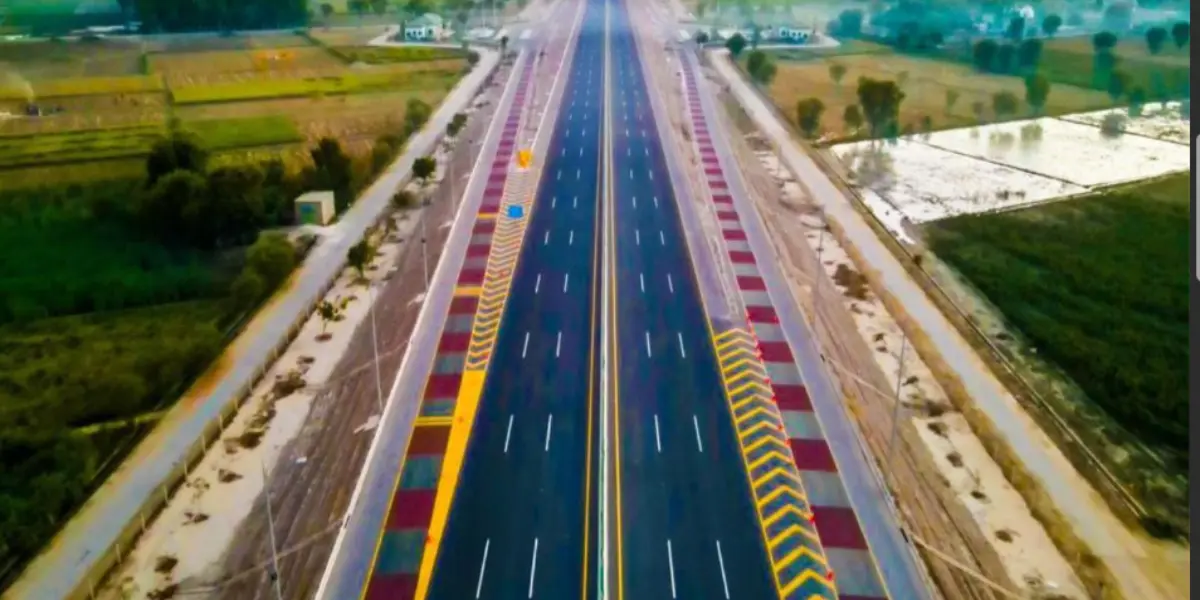
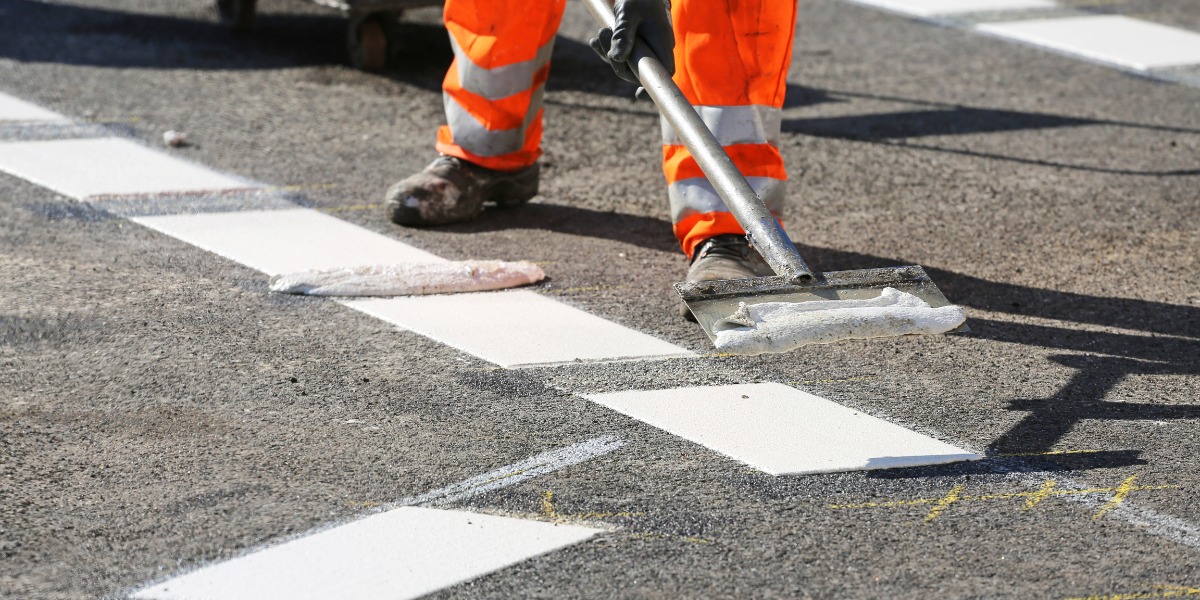
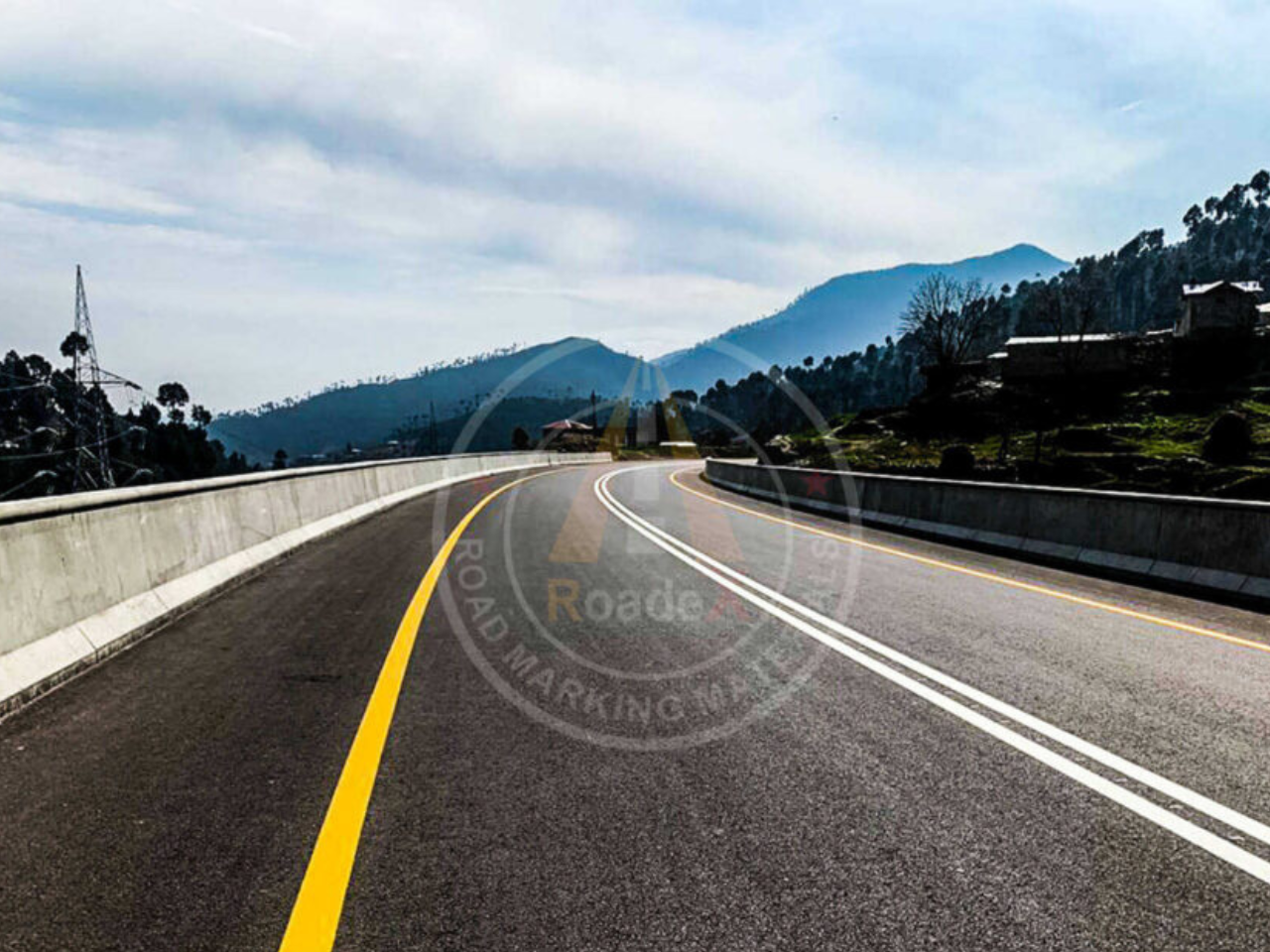
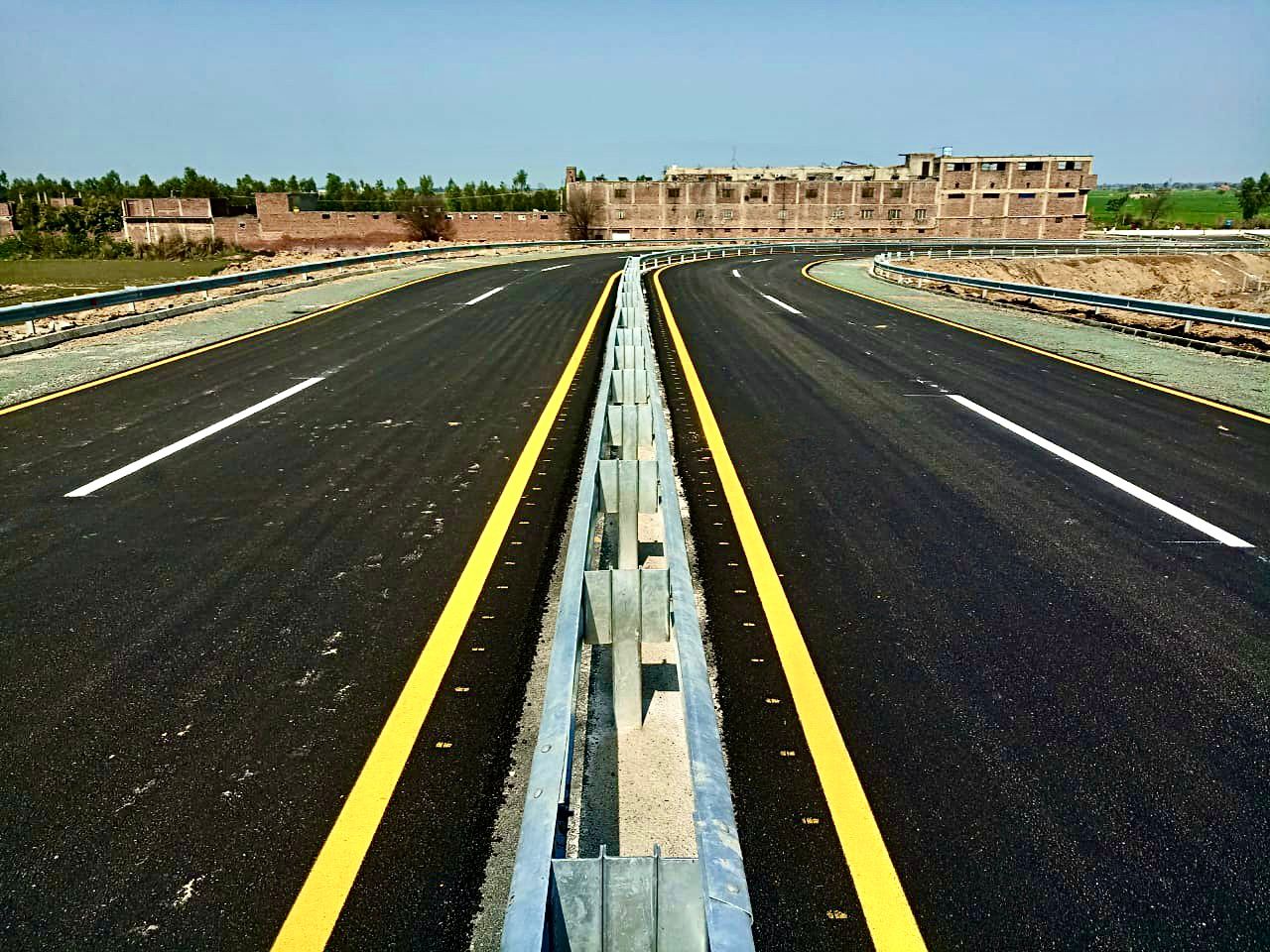
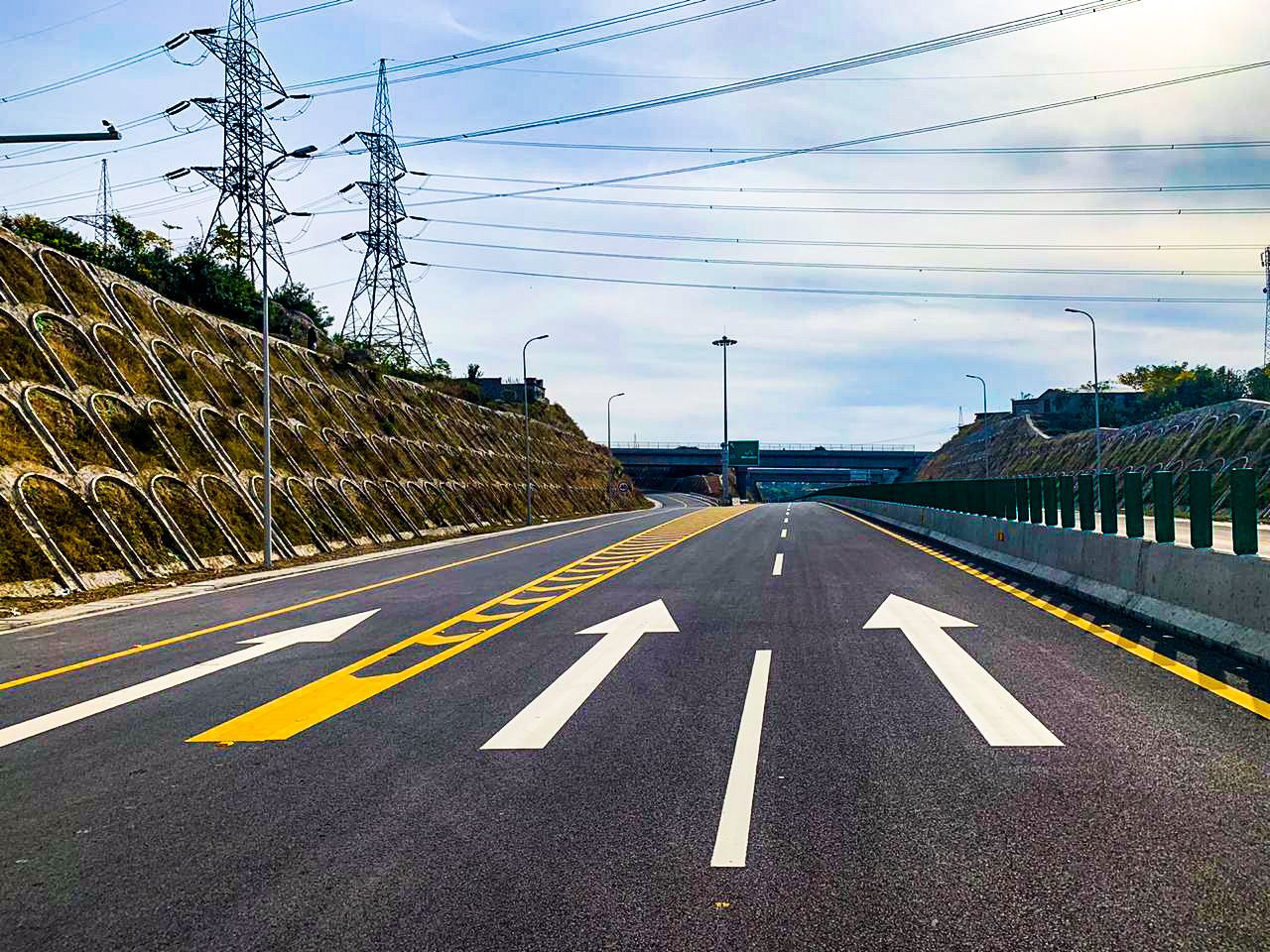
Chlorinated rubber paint is widely used in road marking systems where visibility and durability are critical. It bonds well with asphalt and concrete surfaces and dries quickly after application, which supports faster reopening of roads during maintenance work.
Resistance to traffic friction, moisture, and outdoor exposure helps markings remain clear and functional for longer periods, contributing to better lane guidance and safer road conditions.
Industrial and Protective Coatings
Industrial environments apply chlorinated rubber paint on floors, walkways, and operational zones that experience regular abrasion and cleaning.
Its resistance to chemicals and moisture supports surface protection in demanding operational settings.
The coating forms a stable protective layer that helps preserve surface condition under continuous use.
Concrete and Infrastructure Surfaces
Concrete structures, kerb stones, and exposed infrastructure elements require coatings that can withstand environmental stress and surface wear.
Chlorinated rubber paint provides strong surface coverage and resistance to weather exposure. This helps maintain surface quality and reduces the frequency of repainting in long-term infrastructure maintenance.
Metal and High-Exposure Areas
Metal surfaces and outdoor structures use chlorinated rubber paint for protective coating performance in exposed environments.
Its resistance to environmental factors and surface degradation supports longer coating life. Stable finish and consistent coverage make it suitable for surfaces that require long-term protective performance.
Use of Chlorinated Rubber Paint in Road Marking and Maintenance
Surface Performance Under Traffic Load
Road markings are continuously exposed to vehicle pressure, friction, and surface stress. Chlorinated rubber paint forms a tough coating layer that maintains marking structure despite constant traffic movement. This improves the lifespan of markings on high-traffic roads and urban routes.
Environmental Resistance on Outdoor Roads
Outdoor road surfaces face sunlight, dust, moisture, and temperature variations on a daily basis. Chlorinated rubber paint offers resistance to weathering and surface wear, which supports long-term marking stability in exposed environments.
Maintenance and Lifecycle Efficiency
Durable coating systems can reduce repainting frequency and maintenance interruptions in
road infrastructure projects. Longer service intervals support better lifecycle planning and operational efficiency without compromising marking clarity and surface performance.
Benefits of Chlorinated Rubber Paint in Road and Industrial Applications

Beyond its practical uses, chlorinated rubber paint provides performance-related benefits that support durability, maintenance efficiency, and long-term surface protection in road and industrial applications.
Fast Drying and Application Efficiency
Chlorinated rubber paint is known for its quick drying time, which supports faster project completion in road and industrial settings. Short drying intervals allow recoating within hours, reducing downtime during road marking and maintenance operations. This is especially useful in high-traffic areas where prolonged road closure is not practical.
Strong Surface Adhesion
One of the key benefits is its ability to bond effectively with asphalt, concrete, and metal surfaces. Strong adhesion helps the coating remain intact under continuous traffic movement, mechanical stress, and regular surface usage. This contributes to longer coating stability and fewer surface failures over time.
Resistance to Weather and Environmental Exposure
Roads and industrial surfaces are constantly exposed to sunlight, moisture, dust, and temperature changes. Chlorinated rubber paint provides reliable resistance to these environmental factors, which helps maintain coating performance and surface protection in outdoor conditions.
Durability Under Heavy Usage
Surfaces in infrastructure and industrial environments face constant abrasion, friction, and operational wear. Chlorinated rubber paint forms a tough protective layer that withstands surface stress and maintains coating integrity for extended periods. This durability reduces the need for frequent repainting and maintenance cycles.
Cost Efficiency in Long-Term Maintenance
Longer coating lifespan and reduced repainting frequency support better cost management in infrastructure and industrial projects. Durable performance and stable surface coverage help lower maintenance efforts while maintaining consistent marking and protective coating quality over time.
Final Words
Chlorinated rubber paint hold relevance in road and industrial coating systems due to its balance of durability, fast drying, and environmental resistance.
Surface protection studies indicate that high-performance coatings can extend surface lifespan by up to 30 to 40% and significantly reduce maintenance frequency on exposed and high-traffic areas.
Its ability to form a stable, wear-resistant film supports consistent marking visibility and surface protection, especially on infrastructure that faces continuous operational stress and outdoor exposure.
From a lifecycle perspective, durable coating systems contribute to better maintenance planning, reduced repainting cycles, and improved operational efficiency in infrastructure and industrial projects. Stable performance under traffic load, weather variation, and surface wear makes chlorinated rubber paint a practical solution for long-term coating applications.
Overall, its functional properties support surface longevity, cost efficiency, and consistent performance, which are essential factors in modern road safety and industrial maintenance practices.
Frequently Asked Questions
What is chlorinated rubber paint used for?
Chlorinated rubber paint is used for road marking, industrial coatings, concrete protection, and surfaces exposed to moisture, chemicals, and heavy usage.
Is chlorinated rubber paint suitable for road marking?
Yes, it is suitable for road marking because it dries quickly, adheres well to asphalt and concrete, and withstands traffic wear and weather exposure.
How long does chlorinated rubber paint last on roads?
It can last several years depending on traffic volume, surface condition, and environmental exposure, with proper application and maintenance.