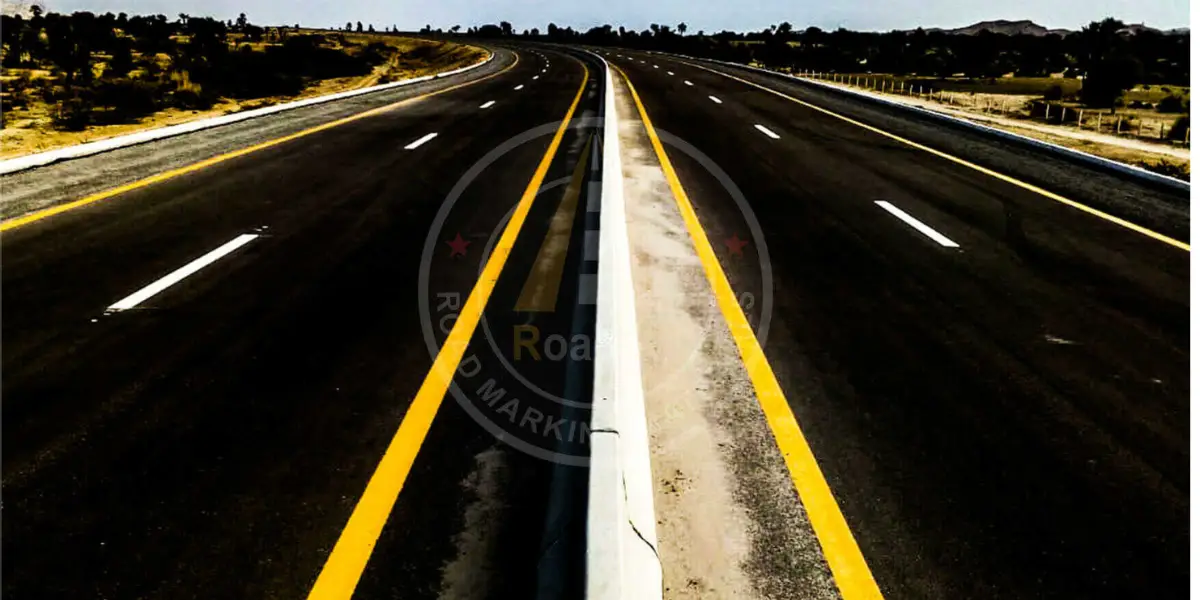
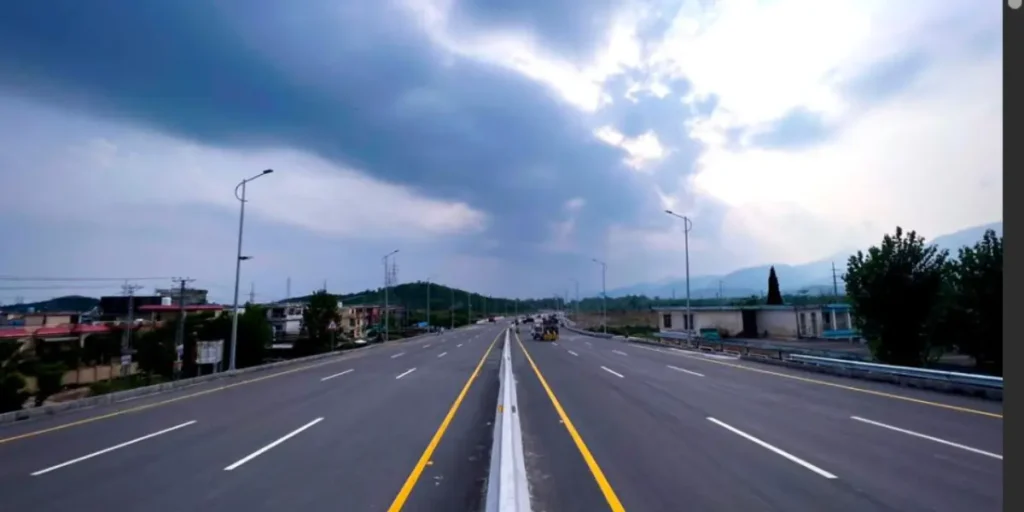
Road safety in Pakistan heavily depends on one thing most people overlook which is road markings. Whether it is a busy motorway in Lahore or a busy intersection in Karachi, road marking paint application plays a critical role in guiding drivers and preventing accidents.
Studies show that well-maintained road markings can reduce road accidents by up to 30%. Yet, poor application is one of the biggest reasons markings fade within months.
If you are a contractor, a road authority, or just someone curious about how it all works, this guide walks you through the exact process, step by step.
Why Proper Road Marking Paint Application Matters
Before jumping into the steps, let’s talk about why technique matters so much. Road markings in Pakistan face extreme conditions like scorching summers, monsoon rains, and heavy traffic loads.
According to the National Highway Authority (NHA), road surface deterioration costs Pakistan billions in maintenance annually. A big chunk of that includes re-doing faded or peeled road markings.
Getting the application right the first time saves money, improves road safety, and ensures compliance with Pakistan’s road marking standards under NHMP and PSQCA regulations.
Types of Road Marking Paint Used in Pakistan
Not all road marking paints are the same. Here’s what’s commonly used:
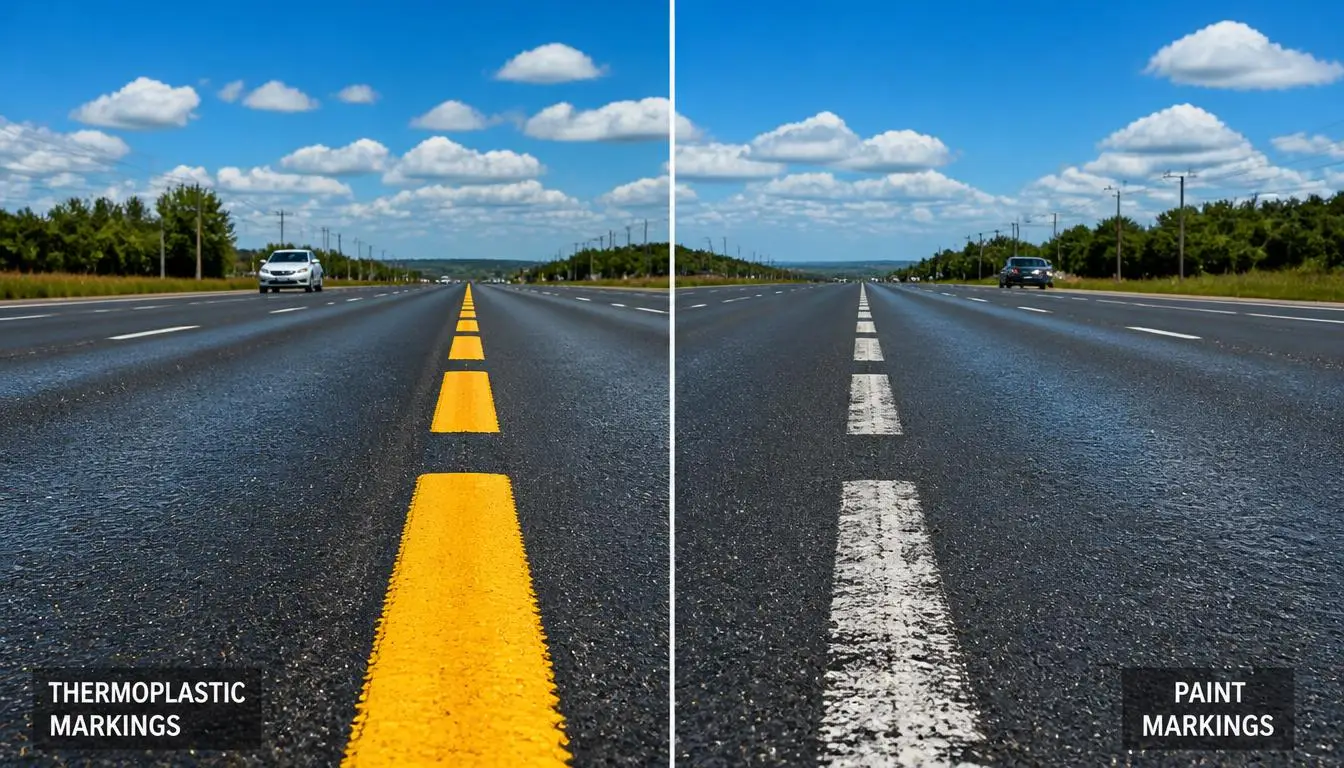
- Thermoplastic paint – The most durable option. It’s heat-applied and bonds directly to the road surface. Lifespan: 3–7 years.
- Water-based (acrylic) paint – Budget-friendly, commonly used in urban areas. Lifespan: 6–18 months.
- Solvent-based paint – Faster drying, better adhesion. Lifespan: 1–2 years.
- Epoxy paint – High durability, used in tunnels and airports.
For high-traffic roads and highways, thermoplastic road marking paint is the gold standard in Pakistan and internationally.
Step-by-Step Process of Road Marking Paint Application
Step 1: Surface Inspection and Assessment
Everything starts with the road surface. Before any paint touches the ground, the surface must be thoroughly inspected.
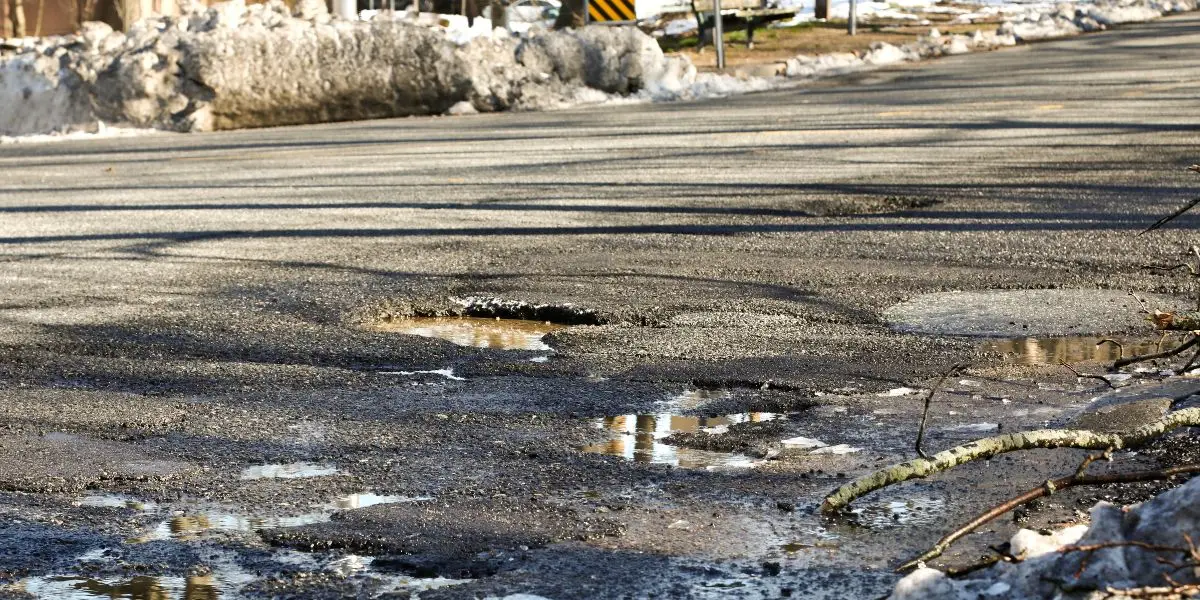
- Check for cracks, potholes, or loose aggregate
- Identify any old markings that need removal
- Assess moisture content of the surface
Why it matters: Paint applied on a damaged or wet surface will peel off quickly, no matter how good the paint quality is. The surface temperature should ideally be above 10°C, and the road must be completely dry.
Step 2: Surface Cleaning and Preparation
This is the most underrated step in road marking paint application and the most important.
- Sweep away all dust, debris, and loose material
- Use a mechanical road sweeper or compressed air blower for best results
- Remove oil or grease spots using a degreaser
- If old markings exist, use shot blasting or water jetting to remove them completely
In Pakistan’s urban areas, skipping proper cleaning is the number one reason markings fail prematurely. Even a thin layer of dust can reduce adhesion by up to 50%.
Step 3: Layout and Marking Design
Before painting, the positions of the lines, symbols, and text must be pre-marked accurately.
- Use chalk lines or string lines to mark out positions
- Refer to the approved road marking plan usually provided by NHA, LDA, or the relevant road authority
- Double-check measurements. Standard lane marking width in Pakistan is 100–150mm for lines and 200–300mm for edge lines
- Mark out pedestrian crossings, arrows, stop lines, and symbols
Getting this step right prevents costly do-overs.
Step 4: Priming the Surface (If Required)
For thermoplastic paint and epoxy-based systems, a primer coat is often necessary.
- Apply a thin, even coat of the recommended primer
- Allow proper drying time. It is usually 15–30 minutes, depending on conditions
- Primer improves adhesion significantly, especially on newly laid asphalt
Not every road marking job requires priming, but for high-traffic areas and highways, it’s worth the extra cost. It can extend the life of markings by 20–30%.
Step 5: Paint Application
Now comes the main event. The method varies depending on the type of paint being used.
For Thermoplastic Paint:
- Heat the thermoplastic material to 180–200°C using a specialized screed machine
- Apply using a screed applicator or extrusion machine for consistent thickness
- Standard application thickness: 3–6mm
- Apply glass beads retroreflective beads immediately on top while the paint is still hot. These are what make markings visible at night
For Water-Based or Solvent-Based Paint:
- Use a road marking machine with adjustable nozzles for consistent line width
- Apply in two coats for better durability
- Maintain a machine speed of 3–5 km/h for even coverage
- Apply glass beads using a drop-on or pressurized bead dispenser
Always check paint viscosity before application. Too thick or too thin affects coverage quality and drying time.
Step 6: Application of Retroreflective Glass Beads
Glass beads are a non-negotiable part of road marking paint application for maximum durability and night visibility.
- Beads are applied at a rate of 250–400 g/m² for standard markings
- They reflect headlights back to drivers, improving wet-night visibility by up to 3x
- Without beads, road markings are essentially invisible in rainy conditions at night
In Pakistan, nighttime accidents are significantly higher on roads without retroreflective markings. Glass beads are now required under NHA specifications for all national highway markings.
Step 7: Drying and Curing Time
After application, the road section must be kept clear.
- Water-based paint: Dries in 20–30 minutes under normal conditions
- Solvent-based paint: Ready in 15–20 minutes
- Thermoplastic: Cools and hardens within 10–15 minutes at ambient temperature
Avoid opening the road too early. Premature traffic can smear, crack, or embed debris into the fresh marking.
Step 8: Quality Check and Inspection
A proper road marking paint application job always ends with inspection.
- Verify line width, thickness, and retroreflectivity
- Use a retroreflectometer to measure night visibility. Standard is above 100 mcd/lx/m²
- Check for uniformity, bubbling, or edge fraying
- Document and photograph the completed work for project records
In government and NHA-funded projects, this step is mandatory before handing over the road section.
Common Mistakes to Avoid
- Painting on a wet or dusty surface
- Skipping the primer on new asphalt
- Applying thermoplastic at incorrect temperatures
- Forgetting glass beads
- Opening the road before the paint fully cures
- Using low-quality paint to cut costs. It costs more in the long run
Road Marking Paint Application: Key Stats at a Glance
Paint Type | Average Lifespan | Cost Range (PKR/m) | Best For |
Thermoplastic | 3 to 7 years | 250 – 600 | highways & major roads |
Water-based Acrylic | 6 to 18 months | 50 – 150 | Urban streets |
Solvent based | 1 to 2 years | 100 -250 | City roads |
Epoxy | 5 to 10 years | 500 – 1200 | Airports, Tunnels |
Final Thoughts
Getting the road marking paint application process right isn’t just about aesthetics; it is a road safety investment. From surface prep to retroreflective glass beads, every step plays a role in how long those lines last and how safe the road becomes. In Pakistan, where road accident rates remain a serious concern, quality road markings are one of the most cost-effective safety tools available.
Whether you are working on a national highway project or a local road contract, following this step-by-step process will ensure your road markings deliver maximum durability and meet the standards that keep people safe.
FAQs
What is the best type of road marking paint for Pakistani roads?
Thermoplastic road marking paint is considered the best option for Pakistani highways and major roads due to its exceptional durability against extreme heat and heavy rain. It bonds strongly to asphalt surfaces and can last anywhere from 3 to 7 years with proper application. For low-traffic urban streets, water-based acrylic paint is a more economical choice.
How long should you wait before allowing traffic on newly marked roads?
The waiting time depends on the type of paint used. Water-based paints typically dry within 20 to 30 minutes, while solvent-based paints are ready in about 15 to 20 minutes. Thermoplastic markings cool down and harden within 10 to 15 minutes, but it’s always safer to wait a little longer in humid or cool weather to ensure the paint has fully set and won’t be damaged by vehicle tyres.
Why do road markings fade so quickly in Pakistan?
Poor surface preparation is the most common reason. Painting over dust, moisture, or old markings without proper cleaning drastically reduces adhesion. Other factors include using substandard paint quality, skipping glass beads, applying incorrect film thickness, and not following curing times before opening the road. Harsh UV rays and monsoon rains also accelerate fading if the right paint type isn’t used.
Are glass beads necessary for road markings?
Yes, glass beads are essential, especially for nighttime road safety. They reflect vehicle headlights back toward the driver, making lane markings, stop lines, and pedestrian crossings clearly visible in the dark or during rain. NHA specifications for national highways in Pakistan require retroreflective glass beads as a standard part of road marking paint application. Without beads, markings are significantly less safe at night.
What standards govern road marking in Pakistan?
Road marking in Pakistan is primarily governed by NHA (National Highway Authority) specifications and PSQCA (Pakistan Standards and Quality Control Authority) standards. For urban roads, local development authorities like LDA (Lahore Development Authority) and KDA (Karachi Development Authority) also have their own guidelines. These standards specify paint type, color, thickness, retroreflectivity, and dimensions for different types of road markings.
Can road marking paint be applied in rain or cold weather?
Road marking paint should never be applied to wet or damp surfaces, as moisture prevents proper adhesion and the paint will peel off quickly. Cold weather below 10°C also affects the curing process and adhesion quality, particularly for water-based paints. Thermoplastic paint is more forgiving in cooler temperatures but still requires a dry surface. Always check weather forecasts before scheduling a road marking job.