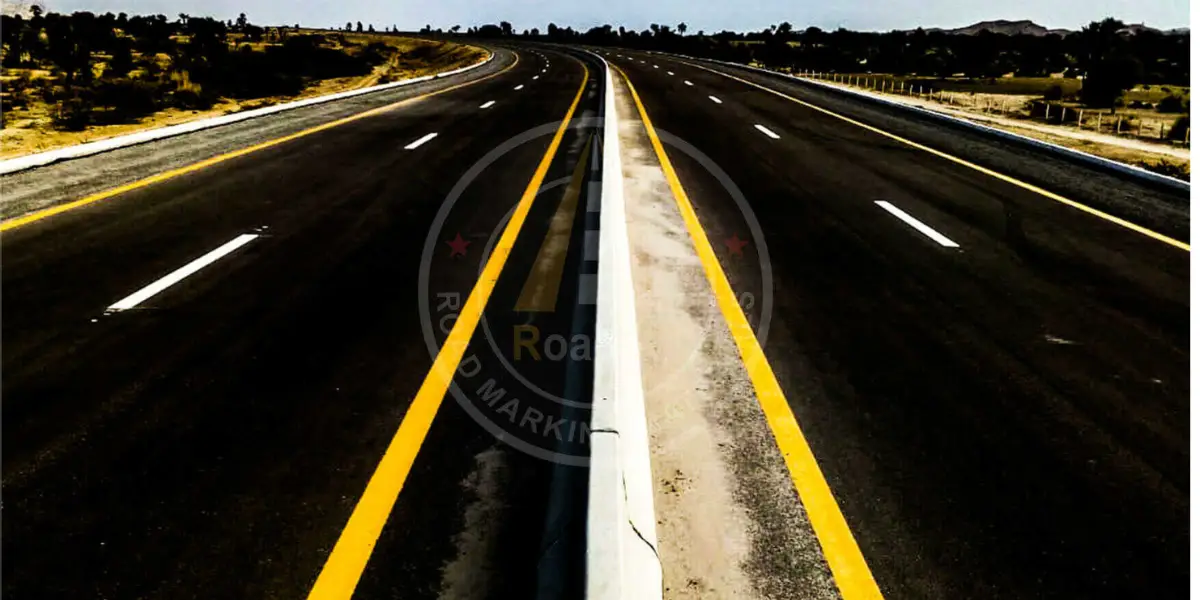
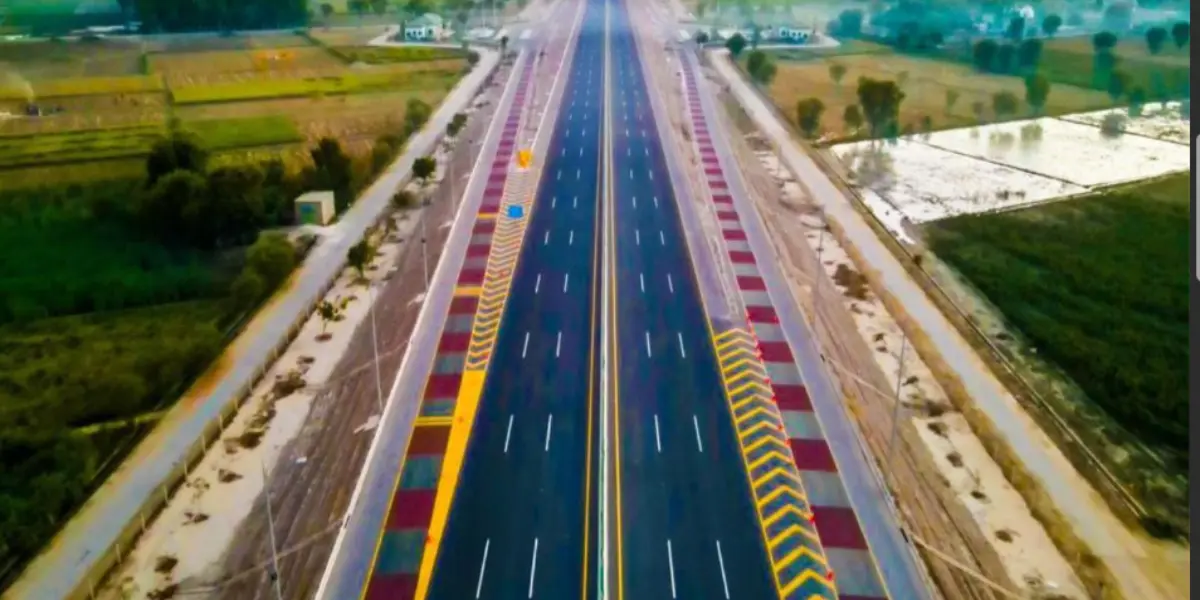
Every time you drive at night and see lane lines glowing in your headlights, you are witnessing one of road safety engineering’s most effective and underappreciated technologies: retroreflective road markings. These are not simply painted lines. They are precision-engineered visibility systems designed to reflect light directly back to the driver’s eyes, making roads dramatically safer after dark and in low-visibility conditions.
Understanding retroreflective road markings, how they work, and why they matter is critical knowledge for highway engineers, road safety planners, pavement marking contractors, and anyone responsible for maintaining safe road infrastructure. This guide covers the science, standards, materials, and life-saving impact of retroreflectivity in road markings.
What Are Retroreflective Road Markings?
Retroreflective road markings are pavement markings lines, symbols, arrows, and text applied to road surfaces that are engineered to reflect light back toward its original source rather than scattering it in random directions.
When a vehicle’s headlights illuminate a retroreflective road marking, the light bounces directly back toward the driver’s eyes, making the marking appear bright and clearly defined even in complete darkness. This is fundamentally different from ordinary reflective surfaces, which scatter light in all directions, or mirror-like surfaces, which reflect light at an equal and opposite angle. Retroreflection specifically returns light to the observer regardless of the angle of illumination and this unique property is what makes these markings so effective for road safety.
Without retroreflectivity, road markings become virtually invisible at night unless roads are lit by street lighting. In rural and suburban areas where street lighting is absent or limited, retroreflective road markings are often the only guidance system keeping drivers safely within their lanes after dark.
The Science Behind Retroreflective Road Markings: How They Work
The retroreflective effect in road markings is achieved through the use of glass microspheres, tiny spherical glass beads with precisely controlled refractive indices. Understanding retroreflective road markings and how they work begins with the physics of these beads.
Glass Microspheres and the Refractive Index
Each glass bead acts as a tiny lens. When light from a vehicle’s headlights enters the bead, it is refracted bent as it passes through the curved glass surface. The light travels through the bead, strikes a reflective backing surface (either the road surface itself or a reflective coating), and is redirected back through the bead along a path that closely parallels the original incoming light ray. The result is that the light returns almost directly toward the vehicle that produced it.
The efficiency of this process depends critically on the refractive index of the glass. Standard road marking glass beads have a refractive index of approximately 1.5, which is optimised for retroreflection when the bead is embedded in a paint or thermoplastic matrix and partially exposed at the surface. High-performance beads with refractive indices of 1.9 or higher offer superior retroreflectivity, particularly in wet conditions where a thin water film over standard beads significantly reduces performance.
Bead Embedment Depth
The embedment depth of glass beads is critical to retroreflective performance. If beads are too deeply embedded, they cannot intercept incoming light effectively. If they sit too high on the surface, they are quickly dislodged by traffic. The optimal embedment depth typically around 50–60% of the bead diameter exposed above the marking surface balances optical performance with mechanical retention.
During road marking application, beads are either pre-mixed into the marking material or drop-applied onto the wet surface immediately after application. Drop-applied beads generally deliver higher initial retroreflectivity because they sit at the optimal surface position, while pre-mixed beads provide a reservoir that becomes exposed as the surface wears extending retroreflective performance over time.
Profiled and Structured Markings
Beyond flat markings, profiled road markings use a raised rib or dot pattern to improve retroreflectivity and drainage simultaneously. The angled faces of profiled ribs present a more favourable geometry to vehicle headlights, increasing light return. Critically, raised profiles shed water rapidly, preventing the water film that suppresses bead retroreflectivity in wet conditions making profiled markings significantly more visible in rain than flat markings with equivalent bead specifications.
Why Retroreflective Road Markings Save Lives
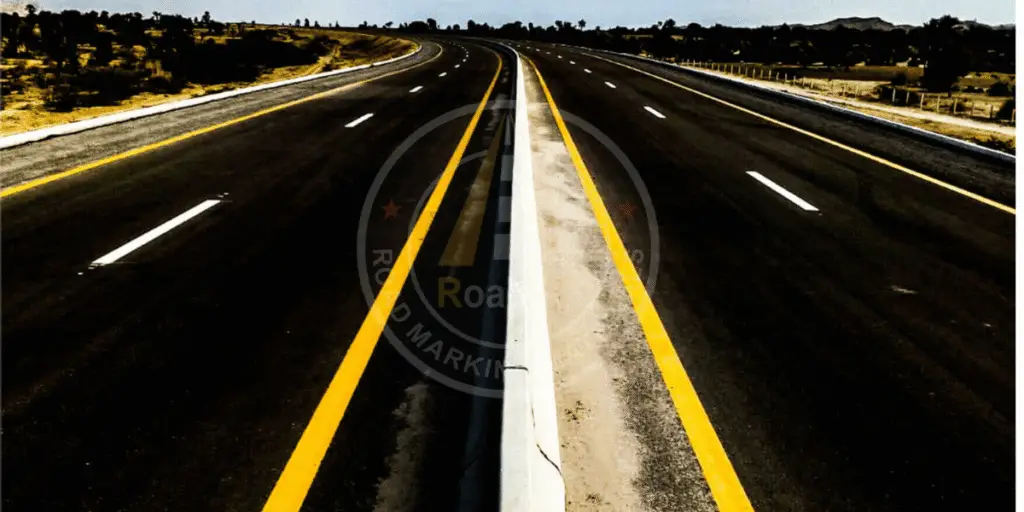
The connection between retroreflective road markings, how they work, and road safety outcomes is supported by extensive research and accident data.
Nighttime Driving Risk
Nighttime driving represents a disproportionate share of road fatalities worldwide. Despite carrying only around 25% of total traffic, night-time roads account for approximately 40–50% of fatal accidents in many countries. Reduced visibility is a primary contributing factor and inadequate road marking visibility is a significant component of this visibility deficit.
Studies from the UK, United States, and Europe have consistently shown that roads with well-maintained, high-retroreflectivity markings experience fewer lane departure incidents, lower rates of run-off-road accidents, and reduced pedestrian fatalities compared to roads with degraded or non-retroreflective markings.
Lane Keeping and Driver Guidance
Road markings serve as the primary lane-keeping reference for drivers, particularly at night and in poor weather. Research using eye-tracking technology has shown that drivers rely heavily on road markings rather than road edges or landmarks to navigate, especially on rural roads without street lighting. Retroreflective markings that remain clearly visible at 150–200 metres ahead give drivers sufficient time to make safe steering corrections, reducing the risk of inadvertent lane departure.
Pedestrian and Cyclist Safety
Retroreflective road markings are not limited to lane lines. Pedestrian crossings, cycle lane markings, give way lines, and junction markings are equally dependent on retroreflective performance. A clearly visible pedestrian crossing at night can mean the difference between a driver stopping safely and failing to see a crossing pedestrian until it is too late. Enhanced retroreflective performance at pedestrian crossings through the use of high-refractive-index beads and profiled surfaces is increasingly specified in road safety improvement programmes worldwide.
Wet Weather Visibility
Rain dramatically reduces the effectiveness of standard retroreflective road markings. A thin film of water over the glass bead surface alters the refractive index interface, scattering light instead of retroreflecting it. This is why wet retroreflectivity is a separate and critical performance metric in international standards such as EN 1436.
Wet-night retroreflective markings achieved through the use of high-refractive-index beads (RI 1.9+), crystalline beads, or profiled marking profiles maintain visibility during and after rainfall. Given that wet road conditions are present in a disproportionate number of fatal accidents, the transition from standard to wet-retroreflective markings on high-risk routes represents one of the highest-value road safety interventions available.
International Standards for Retroreflective Road Markings
The performance of retroreflective road markings is governed by internationally recognised standards that define minimum retroreflectivity levels and measurement methods.
EN 1436 (European Standard) classifies road marking retroreflectivity into performance classes measured in mcd/m²/lux (millicandelas per square meter per lux). Classes range from R1 (≥100 mcd/m²/lux) to R5 (≥400 mcd/m²/lux) for dry conditions, with separate wet retroreflectivity classes (RW1–RW3) for performance in rainfall.
ASTM E1710 defines the standard test method for measuring retroreflectance of longitudinal pavement markings using a portable retroreflectometer in North America. The FHWA (Federal Highway Administration) has established minimum maintained retroreflectivity levels of 100 mcd/m²/lux for white and 50 mcd/m²/lux for yellow markings on roads with speed limits above 45 mph.
ISO Standards provide internationally harmonised test methods for measuring and reporting retroreflectivity across different national contexts.
Road authorities are required to monitor retroreflectivity levels regularly and replace markings that fall below minimum thresholds ensuring that the safety benefits of retroreflective road markings are consistently maintained across the road network.
Types of Retroreflective Road Marking Materials
Different road marking materials offer varying levels of retroreflective performance and longevity. Choosing the right material is essential to achieving durable, high-performance retroreflectivity.
Water-Based Paint:
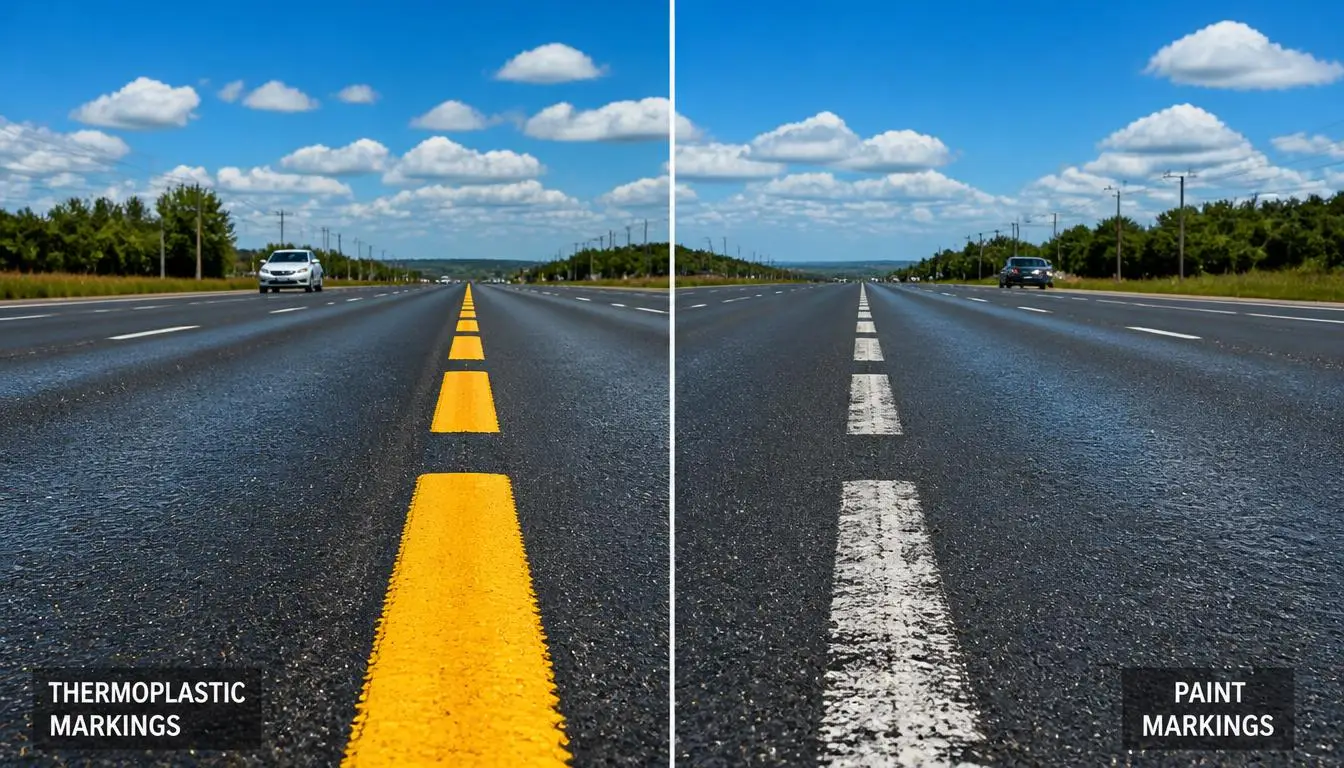
The most economical option, suitable for lower-traffic urban roads. Initial retroreflectivity is adequate but degrades more rapidly than premium materials. Typical service life of 1–2 years before retroreflectivity falls below minimum thresholds.
Solvent-Based Paint:
Offers slightly better durability and retroreflectivity retention than water-based formulations. Suitable for moderate-traffic roads in temperate climates.
Thermoplastic:
Heated and melted during application, thermoplastic markings incorporate both pre-mixed and drop-applied glass beads for a dual-layer retroreflective system. Significantly more durable than paint with typical service lives of 3–6 years. The most widely used material for high-traffic roads globally.
Cold Plastic (MMA):
Two-component methyl methacrylate (MMA) markings offer the highest durability and retroreflectivity retention. Resistant to UV degradation, de-icing salts, and heavy traffic wear. Service lives of 7–10 years are achievable in appropriate conditions. Increasingly specified for motorways, high-speed roads, and safety-critical locations.
Epoxy Resin:
Two-component epoxy markings provide excellent adhesion and chemical resistance. Used for specialist applications including airport runways, industrial areas, and road surfaces subject to chemical exposure.
Raised Pavement Markers (RPMs):
Also known as cat’s eyes or road studs, RPMs are discrete retroreflective devices embedded in the road surface at regular intervals. They provide powerful point-source retroreflection and are particularly effective in wet conditions and fog where flat markings may be submerged. Often used in combination with road marking paint for enhanced visibility on motorways and high-speed roads.
Maintaining Retroreflective Performance Over Time
Retroreflectivity is not a permanent property; it degrades through traffic wear, weathering, UV exposure, and contamination. A proactive maintenance strategy is essential to sustain the life-saving benefits of retroreflective road markings.
Retroreflectivity Monitoring:
Road authorities should deploy portable or mobile retroreflectometry equipment on a scheduled basis to measure current performance levels across the network and identify markings approaching minimum thresholds.
Remarking Cycles:
Establish remarking schedules based on measured retroreflectivity decline rates rather than fixed time intervals alone. High-traffic roads and safety-critical locations such as pedestrian crossings, junctions, and merge zones should be prioritised.
Material Upgrades:
Where markings require frequent replacement due to high traffic or harsh weather, upgrading from paint to thermoplastic or cold plastic can reduce long-term costs while maintaining consistent retroreflective performance.
Seasonal Inspection:
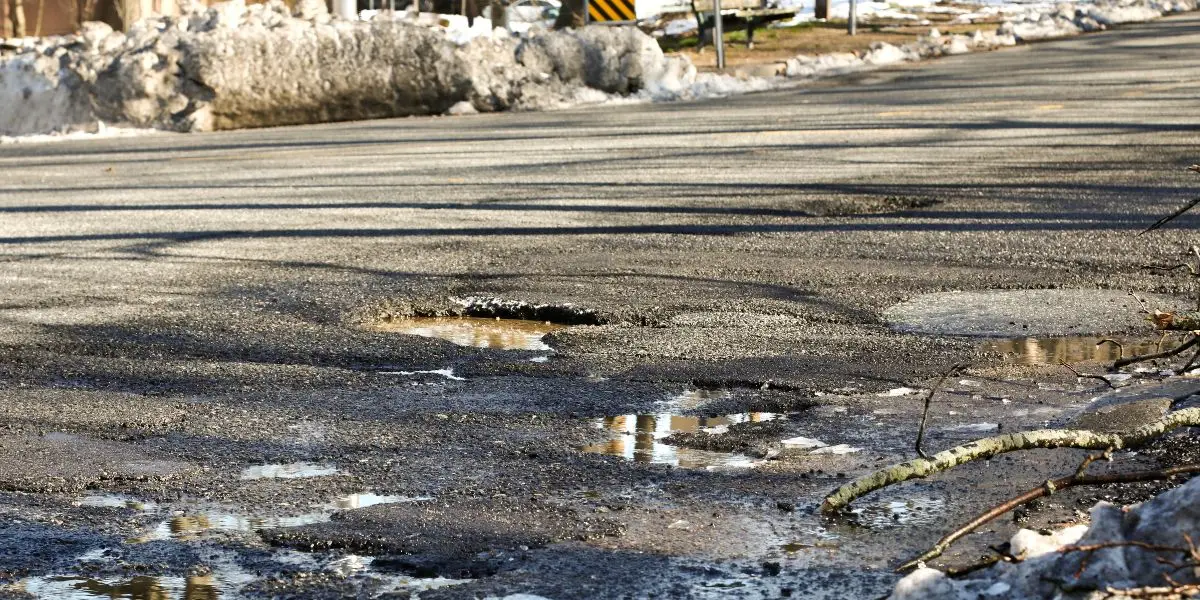
Post-winter inspections are particularly important in cold climates where de-icing salt, freeze-thaw cycles, and snow plough abrasion can significantly accelerate retroreflectivity loss.
Defect Response:
Road authorities should establish rapid-response protocols to address retroreflectivity defects reported by road users or identified during routine inspections, particularly on high-speed and high-risk routes.
Conclusion
Retroreflective road markings and how they work is not merely a technical subject it is a road safety imperative. By harnessing the physics of glass microsphere optics, retroreflective markings transform vehicle headlights into powerful guidance beams that keep drivers safely within their lanes, warn of hazards, and protect pedestrians and cyclists at night and in adverse weather.
From the science of glass bead refraction to the rigorous international standards governing minimum performance levels, every aspect of retroreflective road marking technology is designed with one goal: saving lives on the road. For road authorities and highway engineers, investing in high-performance retroreflective marking systems and maintaining them through regular monitoring is one of the most cost-effective road safety measures available.When road markings glow in the dark, roads become safer for everyone.
Frequently Asked Questions
Q1. How do retroreflective road markings work at night?
Retroreflective road markings work by using tiny glass microspheres known as glass beads embedded within or applied onto the marking surface. When headlights illuminate the marking, light enters each glass bead, refracts through the curved glass surface, reflects off the road surface or a reflective coating behind the bead, and travels back through the bead along a path that returns it almost directly to the driver’s eyes. This retroreflective effect makes the marking appear to glow brightly in headlights, providing clear lane guidance in total darkness without requiring any external power source.
Q2. Why do road markings lose their reflectivity over time?
Retroreflective performance degrades primarily because glass beads are progressively dislodged, buried, or abraded by traffic over time. As the marking film wears down, embedded beads are lost and the surface becomes too thin to retain new beads. UV radiation and weathering also degrade the binder matrix that holds beads in place. Contamination with dirt, oil, and rubber deposits can coat bead surfaces and reduce light transmission. Regular retroreflectivity monitoring and timely remarking are essential to ensure markings remain above minimum safety thresholds.
Q3. What is the difference between retroreflective and reflective road markings?
Standard reflective surfaces scatter light or reflect it at an angle equal to the angle of incidence like a mirror. This means only observers positioned at a specific mirror-image angle receive strong reflected light. Retroreflective surfaces, by contrast, return light back toward its source, regardless of the angle of illumination. This means the driver whose headlights illuminate a retroreflective marking receives the reflected light back directly to their eyes making retroreflection far more effective for road marking visibility than simple mirror-style reflectivity.
Q4. Are retroreflective road markings effective in the rain?
Standard retroreflective markings lose significant performance in wet conditions because a film of water over the bead surface disrupts the refraction-reflection process. However, wet retroreflective markings using high-refractive-index glass beads (RI 1.9 or higher), crystalline bead technologies, or profiled marking profiles that shed water rapidly maintain strong retroreflective performance even when roads are wet. Wet retroreflectivity is a specific performance class measured under international standards such as EN 1436, and specifying wet-retroreflective markings on high-risk routes is a proven road safety intervention.
Q5. How is retroreflectivity measured in road markings?
Retroreflectivity is measured using a retroreflectometer a device that illuminates the marking surface at a defined geometry and measures the intensity of light returned toward the observer position. Results are expressed in mcd/m²/lux (millicandelas per square metre per lux). Portable retroreflectometers are used for spot measurements, while mobile retroreflectivity measurement systems (MRMS) mounted on survey vehicles can assess entire road networks at traffic speed. Minimum retroreflectivity thresholds are defined by national and international standards, including EN 1436 in Europe and FHWA guidelines in North America.