Road markings are essential for traffic safety, directing vehicles, and preventing accidents. Whether you’re managing a municipality, designing infrastructure, or simply curious about how roads stay safe, understanding the differences between thermoplastic vs paint road markings comparison is crucial. These two marking systems serve the same purpose but differ significantly in durability, cost, maintenance, and performance.
In this comprehensive guide, we’ll explore the advantages and disadvantages of both thermoplastic and paint road markings, helping you make an informed decision for your specific needs.
What Are Thermoplastic Road Markings?
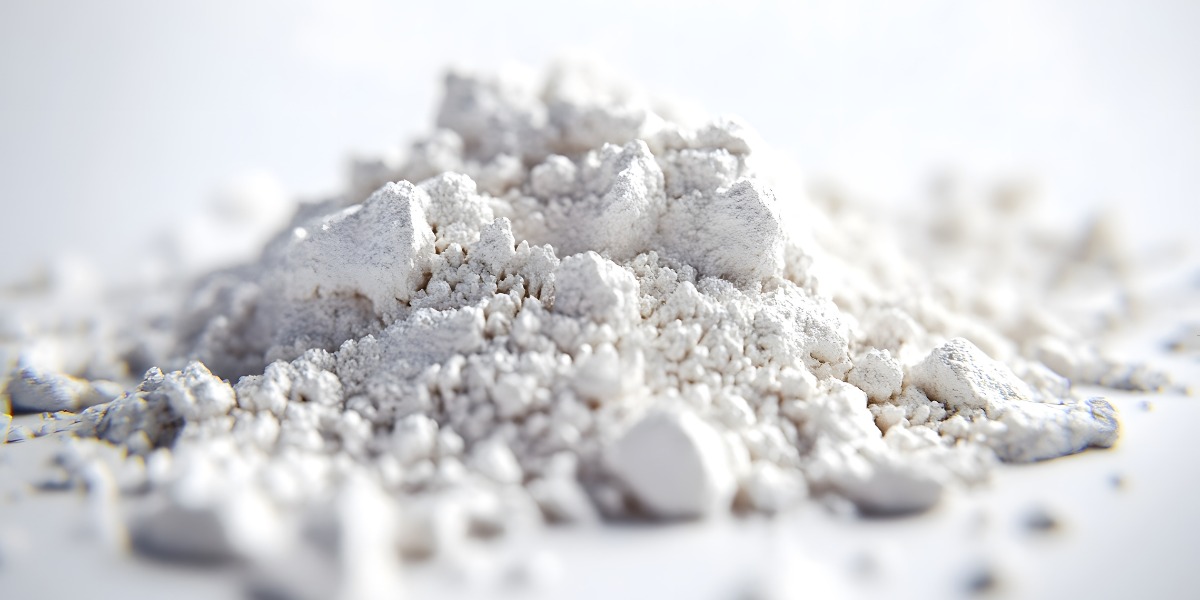
Thermoplastic road markings are made from a mixture of resin, glass beads, and pigments that are heated and applied directly to road surfaces. Once cooled, they form a durable, reflective surface that adheres strongly to asphalt and concrete.
How Thermoplastic Markings Are Applied
The application process involves heating the thermoplastic material to approximately 200-230°C, then spraying or extruding it onto the road surface. The material cools within minutes, creating a permanent bond with the pavement. This method ensures excellent adhesion and a consistent, professional finish.
Key Characteristics of Thermoplastic Markings
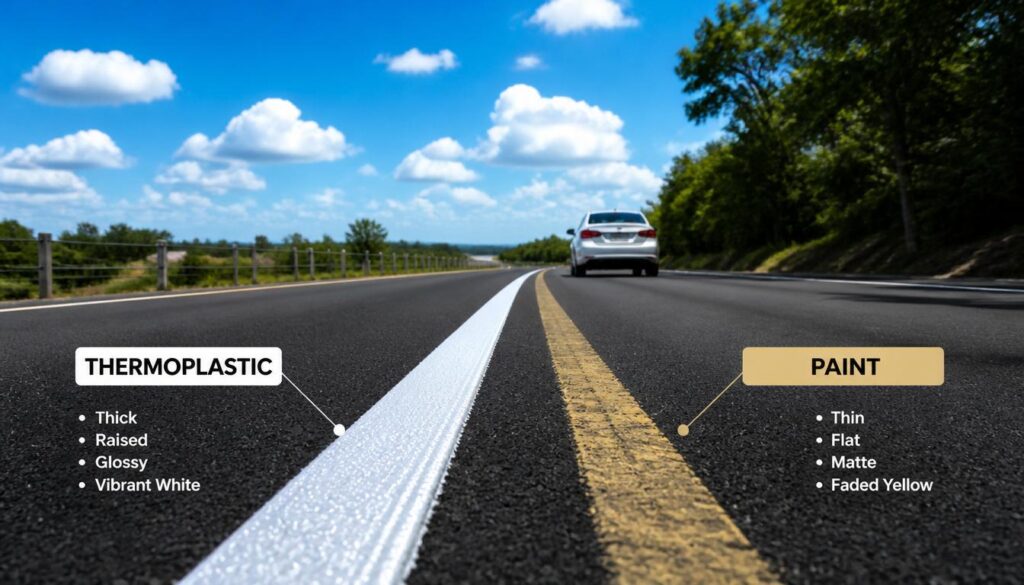
Thermoplastic markings offer exceptional reflectivity due to embedded glass beads, making them highly visible at night and in poor weather conditions. Their thickness typically 2-3mm contributes to superior durability and longevity compared to traditional paint alternatives.
What Are Paint Road Markings?
Paint road markings are applied using conventional painting methods, typically with acrylic or alkyd-based paints. These markings are sprayed onto the road surface and dried through chemical evaporation and air exposure.
Application Process for Paint Markings
Paint markings are applied at ambient temperature using spray equipment. The process is quick and straightforward, requiring minimal specialized equipment. Glass beads are often added to wet paint for reflectivity, though adhesion depends on proper surface preparation and paint quality.
Characteristics of Paint Markings
Paint markings are thinner than thermoplastic alternatives, typically ranging from 0.5-1.5mm. While initial costs are lower, they require more frequent reapplication and maintenance, making them less cost-effective over extended periods.
Thermoplastic vs Paint Road Markings: Durability Comparison
Thermoplastic Durability
Quality Thermoplastic markings typically last 7-10 years, even in high-traffic areas. Their thick application and strong adhesion provide exceptional resistance to wear from vehicle tires, weather exposure, and chemical damage. In moderate traffic conditions, thermoplastic markings can exceed 10 years of service life.
Paint Marking Durability
Paint markings generally last 2-3 years in heavily trafficked areas and up to 5 years in low-traffic zones. UV exposure, moisture, and tire abrasion cause paint to fade and wear away more quickly. Frequent reapplication is necessary to maintain road safety standards.
Cost Analysis: Thermoplastic vs Paint Road Markings
When evaluating the cost of thermoplastic vs paint road markings comparison, consider both initial installation and long-term maintenance expenses.
Initial Installation Costs
Paint markings have a lower upfront cost, typically ranging from $0.50 to $1.50 per linear foot. Thermoplastic markings cost more initially, ranging from $2.00 to $4.00 per linear foot, due to specialized equipment and materials required.
Long-Term Cost Effectiveness
Over a 10-year period, thermoplastic markings prove significantly more cost-effective. A road requiring paint reapplication every 3 years will need multiple applications, ultimately costing more than a single thermoplastic installation. When factoring in labor, equipment, and traffic disruption, thermoplastic markings offer superior value.
Visibility and Safety Performance
Road marking visibility directly impacts traffic safety and accident prevention.
Retroreflectivity Standards
Both marking types use glass beads to achieve retroreflectivity, the ability to reflect light back toward its source. Thermoplastic markings maintain consistent retroreflectivity throughout their service life due to their thickness and material composition. Paint markings lose retroreflectivity more rapidly as the surface wears away.
Night Visibility and Weather Performance
Thermoplastic markings provide superior visibility during nighttime driving and in adverse weather conditions. Their permanent, raised surface deflects light more effectively than the flatter surface of paint markings. In rain, snow, or fog, thermoplastic markings remain more visible and therefore safer.
Environmental and Maintenance Considerations
Installation Impact
Thermoplastic application requires brief road closures during the heating and cooling process. Paint applications can often be completed with minimal traffic disruption. However, thermoplastic’s extended lifespan means fewer installation cycles and less overall environmental impact.
Maintenance Requirements
Paint markings require annual inspections and frequent touch-ups in high-traffic areas. Thermoplastic markings need less frequent maintenance, reducing labor costs and minimizing road disruptions over their lifetime.
Weather Resistance
Thermoplastic markings resist temperature fluctuations, moisture, and chemical exposure more effectively. Paint markings can peel, crack, or fade due to UV exposure and freeze-thaw cycles, particularly in regions with extreme seasonal variations.
Which Should You Choose?
Choose Thermoplastic Markings If:
- High-traffic roads: Heavy vehicle traffic causes rapid paint deterioration
- Extended budgets: Long-term cost savings justify higher initial investment
- Safety priority: Maximum visibility and durability are essential
- Climate challenges: Areas with extreme weather benefit from superior durability
- Long-term planning: Infrastructure designed for 10+ years of service life
Choose Paint Markings If:
- Budget constraints: Immediate cost savings are critical
- Low-traffic areas: Parking lots and residential streets experience minimal wear
- Temporary marking: Short-term solutions for construction or events
- Rapid implementation: Quick application without specialized equipment
- Minimal traffic disruption: Projects requiring minimal road closure time
Conclusion
The decision between thermoplastic vs paint road markings comparison ultimately depends on your specific needs, budget, and long-term goals. While paint markings offer immediate cost savings, thermoplastic markings provide superior durability, safety, and value over their extended service life. High-traffic roads, highways, and areas with extreme weather conditions strongly benefit from thermoplastic solutions. For budget-conscious municipalities managing low-traffic residential areas, paint remains a practical option.
By understanding the key differences in durability, cost, visibility, and maintenance, you can make an informed decision that optimizes safety while managing your infrastructure budget effectively. Consult with road marking professionals to evaluate your specific circumstances and determine the best solution for your roads.
Frequently Asked Questions
1. How long do thermoplastic road markings last compared to paint?
Thermoplastic road markings typically last 7-10 years, while paint markings last 2-5 years. The extended lifespan of thermoplastic markings makes them more cost-effective over time, despite higher initial installation costs.
2. Are thermoplastic markings visible in all weather conditions?
Yes, thermoplastic markings maintain superior visibility in rain, snow, and fog due to their raised profile and consistent retroreflectivity. Paint markings fade more quickly in adverse weather, reducing nighttime visibility.
3. Can thermoplastic and paint markings be used together?
Yes, many municipalities use both systems strategically—thermoplastic on high-traffic highways and paint on secondary roads or parking areas. This hybrid approach optimizes cost and safety based on traffic volume.
4. What is the cost difference between thermoplastic and paint road markings?
Initial installation costs range from $2.00-$4.00 per linear foot for thermoplastic versus $0.50-$1.50 for paint. However, when maintenance is factored over 10 years, thermoplastic often costs less due to fewer reapplications.
5. Can existing paint markings be replaced with thermoplastic?
Yes, paint markings can be replaced with thermoplastic. The road surface must be properly prepared and cleaned before thermoplastic application to ensure proper adhesion and longevity.